

Okay, so check this out—I’m biased, but there’s somethin’ about Solana wallets that keeps pulling me back. Wow! The UX on many extensions has gotten cleaner in the last year, and that matters more than folks admit. At first glance you notice speed, but then the little details reveal themselves—network switching, token labeling, and that odd moment when a signature prompt actually makes sense. Initially I thought speed was the main selling point, but then I realized custody ergonomics and developer tooling were doing the heavy lifting behind the scenes.
Whoa! The first time I connected a wallet to a dApp and the swap completed in under a second, I raised an eyebrow. Seriously? The UI didn’t freeze. My instinct said: this is how crypto should feel—fast, not fiddly. On the other hand, speedy transactions introduce different tradeoffs, though actually Solana’s cheap fees mitigate most of that pain. Here’s the thing: practical usage patterns matter more than headlines when you use a wallet daily.
I’ll be honest—security still bugs me, and it should bug you too. Hmm… weak seed backups are common. People click “save” and move on. That’s dangerous. So, I look for extensions that make seed export clear but nudges users toward hardware wallets or encrypted cloud backups, even if the product isn’t perfect.
Wow! That little balance between convenience and security is where many wallets win or lose. Most users want a fast setup and a familiar browser extension flow, but they don’t want to sacrifice account recovery or lose visibility into token approvals. On the flip side, advanced users want granular permissioning and transaction previews that don’t read like geek-speak, and getting both right is a design challenge that only a few teams nail. My instinct said “simple onboarding,” but deep use exposed gaps that matter to collectors and DeFi traders alike.
Seriously? Browser extensions still dominate for daily interactions, especially for NFTs and small DeFi moves. Short sessions, quick approvals, and seamless dApp handoffs win. The downside is platform risk—extensions can be cloned or hijacked—so trust signals like audits, open-source repos, and an active support channel are worth inspecting. Initially I skimmed those pages; later I dove in and changed my mind about which wallets I’d actually recommend to friends.
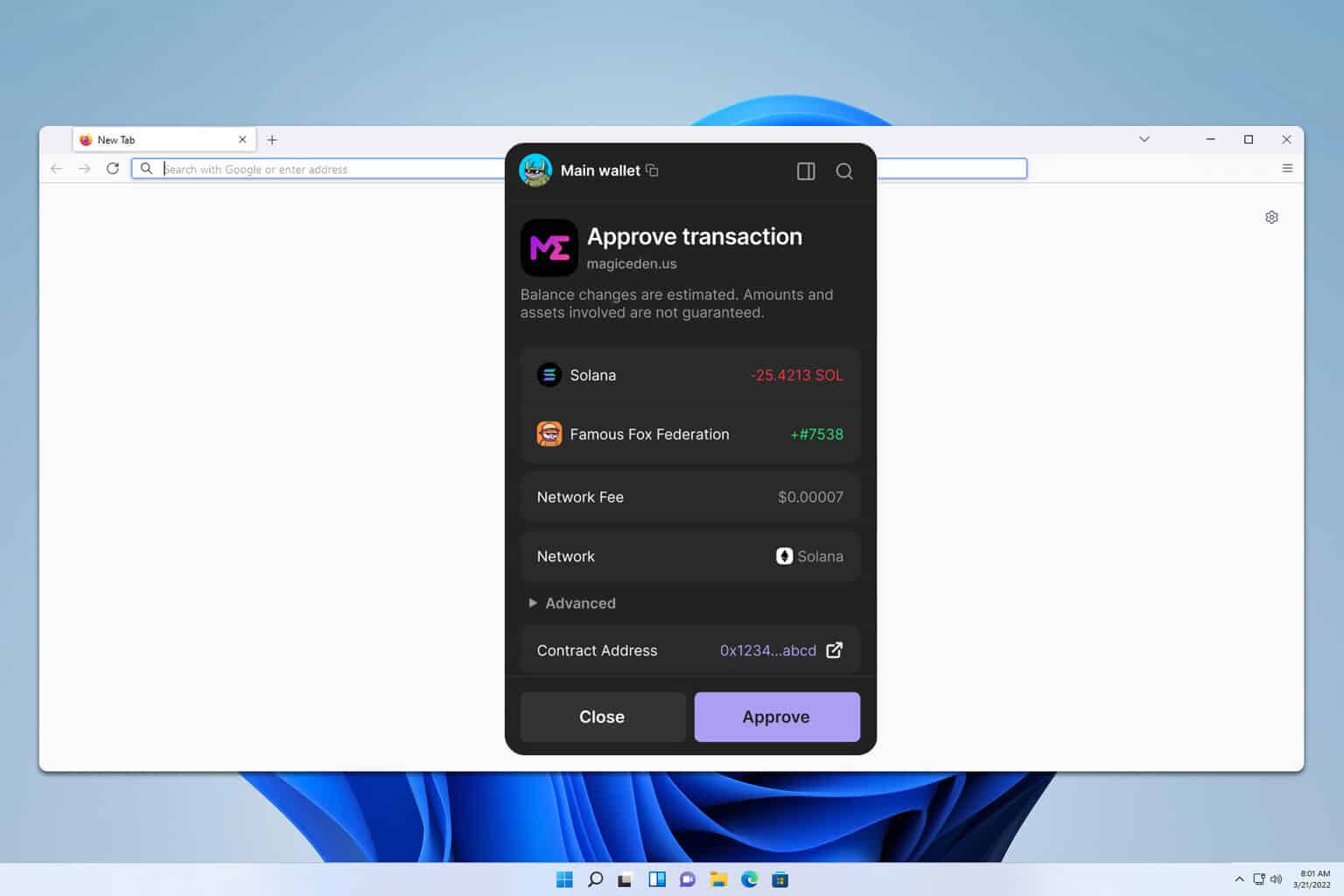
How I evaluate a Solana wallet extension
When I’m sizing up a wallet extension like phantom I run a short checklist: onboarding clarity, key management, permission granularity, recovery options, and dev tooling compatibility. Wow! Those five items sound simple, but they hide a lot of nuance. For example, onboarding that walks users through backup phrase safety reduces help tickets later, and permission interfaces that differentiate “view-only” from “signing” actions cut fraud risk significantly. Initially I thought a flashy UI was the deciding factor, but then I realized functional clarity matters more when you’re tired and moving funds late at night.
Here’s the thing. Extensions that include in-app educational nudges, transaction decoding, and easy network insights reduce costly mistakes. Short bursts of contextual text help users. Long, dry legalese doesn’t help anyone. On a practical level, if a wallet integrates common dev tools and supports the widespread SPL token standard without awkward edge cases, it becomes a safer bet for app builders and power users.
Something felt off the first time I saw a poorly labeled signing dialog, and that’s a recurring theme. Really? Labels like “Approve” without context are reckless. My gut told me to avoid that wallet until they fixed wording and showed raw transaction details. On one hand, too much technical info overwhelms newcomers; on the other hand, too little invites mistakes. Balancing that is a design art that separates basic wallets from trusted ones.
Okay, so check this out—extensions that make it easy to inspect transaction structure and to revoke approvals later earn extra points. Wow! A revoke button is a tiny feature with outsized impact. Many web3 users forget to periodically audit their approvals, which leads to long-term leakage risk when dApps change behavior. Developers who build revocation flows into the wallet UX prevent headaches months down the line, though adoption for that feature is still uneven.
Initially I thought most wallets were sufficient for casual collectors, but then I started testing on mainnet and things shifted. Hmm… edge-case failures appeared, like poor handling of transaction retries or odd nonce mismatches. I learned to test across networks and to simulate edge cases before committing. Being skeptical kept a few token losses from happening to me, and yes, it saved some friends’ collections too.
Wow! One of the quirks that always makes me smile is a wallet that treats NFT transfers like first-class citizens. Really? Showing metadata and provenance within the send flow is underrated. Many wallets still treat NFTs as just tokens, which buries crucial info that collectors want to see. I’m biased toward wallets that display media previews and collection names right inside the signing dialog because that context prevents accidental transfers.
On the topic of developer friendliness—if a wallet supports clear RPC debugging, localnet testing, and has a well-documented API, adoption rises fast. Initially the APIs seemed scattershot to me, but then some projects standardized patterns and that simplified integration. The wallets that invest in developer docs and sample code get more ecosystem love, and that in turn leads to more robust dApps connecting to them.
Wow! Payment flows and swaps are smoother when the wallet returns token decimals and token metadata reliably. Seriously? Inconsistent token metadata breaks price displays and makes swaps scary. My method became to check token-metadata service responses and to test swaps under load. Practical testing reveals the kind of hard bugs that matter to users more than elegant marketing copy.
FAQ
Is a browser extension safe enough for large holdings?
Short answer: not by itself. Wow! Use a hardware wallet for large sums. Extensions are great for daily interactions, but if you hold significant assets, combine an extension that supports hardware-signing with cold storage. Initially I trusted an extension entirely, but after a phishing attempt I changed my setup and moved keys offline; you probably should too.
How do I choose between different Solana extensions?
Look beyond the marketing. Check audits, review recovery flows, and try common dApps with test tokens. Hmm… also check whether the extension is actively maintained and whether the team responds to security disclosures. On one hand a shiny UI feels good; on the other, an active security program earns my trust more quickly.
What features actually improve daily usability?
Transaction previews, clear permissioning, token metadata, and an easy revocation flow. Wow! Those features reduce mistakes. I’m not 100% sure which wallet will win in the long run, but wallets that keep evolving with the community usually come out ahead.