Wow! I know that sounds like hype. But hear me out—I’ve been deep in DeFi for years and extensions that promise easy UX while protecting keys are rare. My instinct said try Rabby, and at first glance it felt clean and fast. Initially I thought it was just another wallet plugin, but then I noticed small UX choices that actually reduce mistakes (like clearer network prompts and safer contract interaction cues).
Really? You bet. Rabby isn’t perfect. It still requires vigilance. On one hand the convenience of a browser extension is huge for active trading and dApp interactions. Though actually, that convenience also concentrates risk—your seed phrase, if exposed, puts everything at stake, so somethin’ as simple as a password manager mismatch can cascade into a mess.
Here’s the thing. Most browser wallets focus on onboarding and gloss over the little things that lead to losses. For example, many extensions don’t give you clear, persistent context about which account is active or which network you’re connecting to. Rabby, in my experience, surfaces that context better than many—so you make fewer dumb mistakes. Hmm… I should say this part bugs me: if you import multiple accounts, naming conventions are still manual and that trips people up.
Shortcomings aside, Rabby leans into important security patterns—transaction simulation, clearer approval flow, and finer-grained permission revocations. Those features change the risk calculus because they reduce blind approvals and long-lived allowances that attackers love. Initially I didn’t appreciate how useful allowance management would be, but now I check it more than I check token prices (okay, slight exaggeration…)
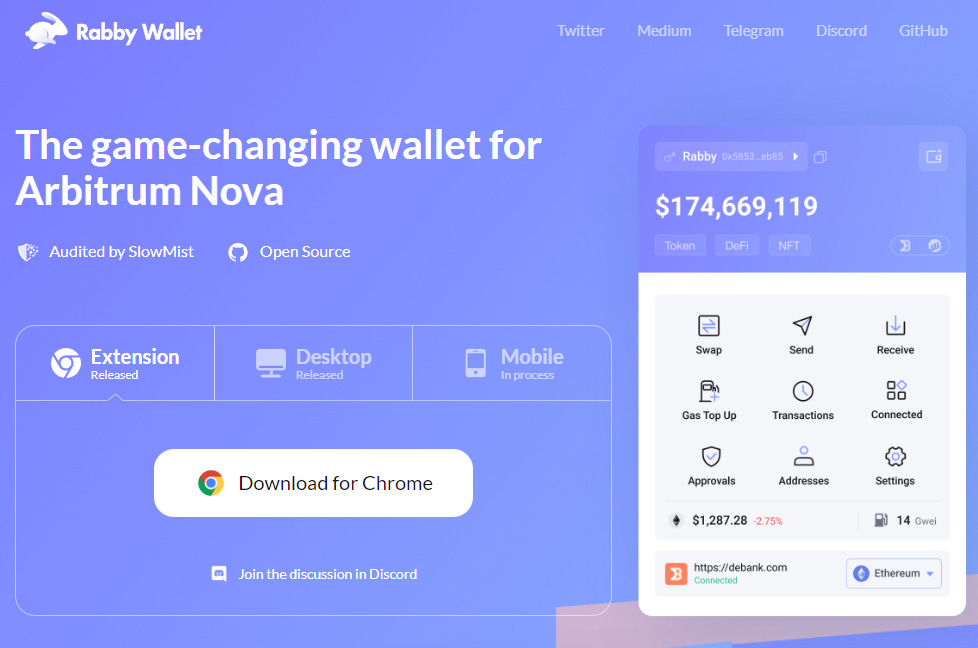
Download and first steps (a friendly pointer)
If you’re thinking about a rabby wallet download, start with the official source and double-check every download prompt. I usually send friends this direct link: https://sites.google.com/cryptowalletextensionus.com/rabby-wallet-download/ —it avoids shady redirects and mirrors that sometimes pop up elsewhere. Be skeptical of social posts offering “quick installs” or modified builds. Seriously, those are red flags.
My gut told me to write down the seed phrase on paper. Do it. Do not paste into a cloud-note or screenshot it. On the other hand, if you’re managing many addresses, use a hardware wallet as the signing root and Rabby as the UX layer—this takes a lot of exposure off the extension. Initially I thought hardware wallets were cumbersome for dApp hops, but modern flows are smoother, and the security trade-off is worth it for sizable holdings.
Transaction hygiene matters. Look at the recipient, the token, and the gas. Don’t rely solely on the extension’s defaults. Rabby helps by surfacing contract addresses and allowing you to simulate outcomes, though simulation isn’t infallible—on-chain behavior can be context-dependent. So when a contract interaction has arbitrary calldata, pause. Take five. Check Etherscan, check community channels if unsure.
On one hand you can automate approvals to save time. On the other, those blanket approvals are exactly how many compromises happen. I’ve seen bots siphon tokens through approved allowances. My advice: keep approvals limited and review them monthly, especially after interacting with new dApps. Yes, it’s a pain. But it’s also how you stop a small mistake from turning catastrophic.
Okay, quick aside—if you ever suspect the extension is acting weird (popups when it shouldn’t, new unexpected permissions), uninstall and reinstall from the official source, and check extension permissions in your browser settings. If you see an extra extension you didn’t install, remove it. Your browser profile can become an attack surface; use a separate browser profile for DeFi activity if you want to compartmentalize.
Also—fingerprint hygiene. Use a browser that minimizes unnecessary extensions. I run a lightweight Chromium profile for trading and a daily driver for other browsing. It reduces the noise and the chance of conflicts. On that note, Rabby plays nicely with common browsers, but keep it up to date. Updates often include security patches, and waiting too long leaves you exposed.
One practical habit that saved me time and headaches: label accounts and add short notes in accounts (oh, and by the way—keep the notes offline if they contain sensitive hints). That small discipline prevents you from sending funds to the wrong chain or mixing mainnet and test tokens. You’d think that wouldn’t happen to you; trust me, it does.
Initially I feared using multiple wallets, but actually, a layered approach works best: a cold storage seed for long-term holdings, a hardware wallet for mid-size trades, and Rabby as a hot wallet for everyday DeFi interactions. On the margin this setup adds friction, but it saves grief and offers flexibility when markets move fast. I’m biased toward safety, and yes, that sometimes costs convenience.
Frequently asked questions
Is Rabby safe enough for DeFi trading?
Short answer: Mostly yes, with caveats. Rabby provides strong UX for permission management and transaction clarity, which reduces common user errors. However, no extension is a silver bullet—combine Rabby with hardware signing for larger balances, stick to official downloads, and routinely review token approvals.